Prophet Ibrahim (A.S) was one of the greatest prophets of Allah. He lived among people who worshipped idols, but could never accept that something carved by human hands could be worthy of worship. They could not create, protect or provide.
Prophet Ibrahim (A.S) was in search of something greater, with more meaning, and was longing for the truth. Allah guided him, and showed him the way, enabling him to guide a nation towards the right path.
Prophet Ibrahim (A.S) is known as Khalilullah, the Friend of Allah. It points to his closeness to Allah, but also to the way he lived: with sincerity, courage and a willingness to obey Allah even when the path was painful.
Could provide
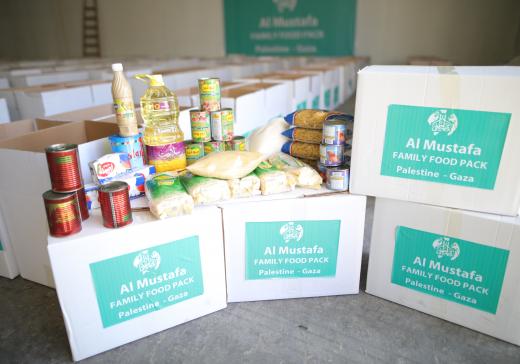
Will provide a family with nutritious long-lasting food items such as ready-to-eat-meals, canned meat, fruit, vegetables & soups as well as powdered milk, baby food, salt, sugar and water. This pack will last one family for an entire month.
Will provide
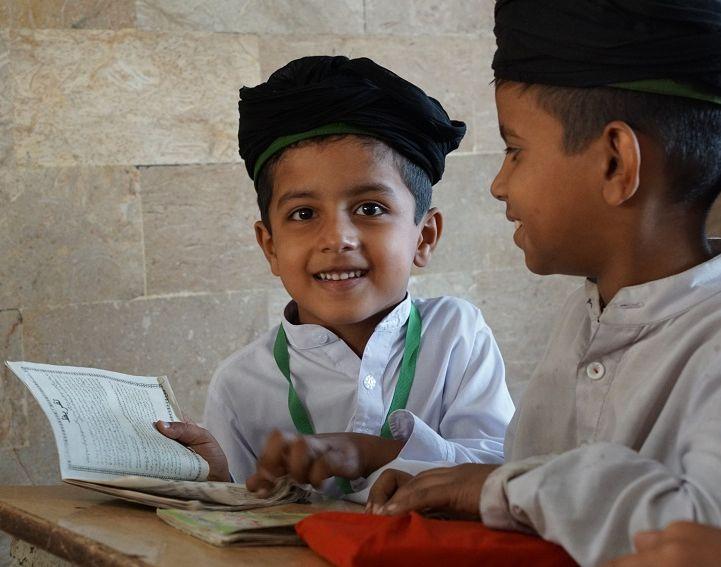
Share the joy this Eid by giving one orphaned or disadvantaged child a gift
will
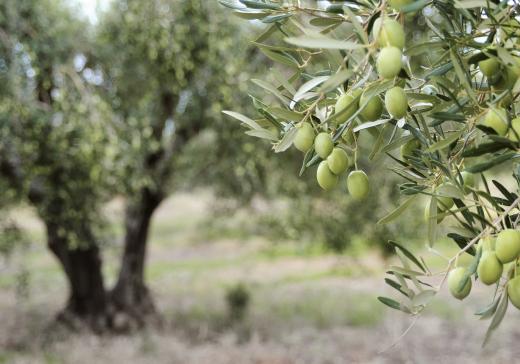
For C$100 you can plant 5 Olive Trees in Gaza, Palestine.
Will provide
Provides clean water for 200-250 beneficiaries living in Internally Displaced Person (IDP) camps
Prophet Ibrahim (A.S) grew up in a society where people worshipped idols they created themselves. However, Prophet Ibrahim (A.S) knew that the idols had no power. They could not answer anyone. They could not defend themselves. They could not guide a single soul.
When he called his people to worship Allah alone, they did not welcome his message. They turned against him.
They prepared a fire and threw him into it. But Allah protected him. The fire became cool and safe, and as Allah willed, it did not harm him.
This is a hugely important moment in the story, reminding us that for Allah, nothing is impossible. As humans, we are limited by what we deem as possible and impossible, but Allah (swt) is beyond these paramaters, and everything happens only with His (swt) permission.
Prophet Ibrahim (A.S) was blessed with his son, Ismail (A.S) after years and years of waiting and yearning. It was a huge test for him, longing to become a father. When Allah (swt) blessed him, he was overjoyed.
One night, years later, Prophet Ibrahim (A.S) saw in a dream that he was sacrificing his son. He knew this was a command from Allah. And Ismail (A.S) submitted too, comforting his father.
At the final moment of the sacrifice, Ismail (A.S) was replaced, and a ram was put in his place. The sacrifice became a symbol of devotion and sacrifice for Muslims thereafter.
Allah did not want pain for the sake of pain. The test was about submission. It was about what comes first in the heart. It was about whether Ibrahim (A.S) would place Allah above even the dearest love of his life.
That is why this story sits at the centre of Eid ul Adha.
Because all of us love something. All of us fear losing something. All of us are asked, in different ways, to trust Allah with what matters most.
Qurbani is the sacred sacrifice that Muslims offer during the days of Eid ul Adha. It follows the example of Prophet Ibrahim (A.S) and reminds us of the huge sacrifice he was willing to make out of devotion to Allah (swt). It also reminds us of Allah’s love and mercy in the way he replaced Prophet Ismail (A.S) with a ram and sparing his life.
For many Muslims in Canada, you can give your Qurbani online. You are able to decide where you would like to offer your Qurbani by choosing a country from those we have available. Your Qurbani will be performed after Eid salah as required, and the meat distributed among needy and vulnerable communities.
For eligible Muslims, Qurbani is an important duty. In the Hanafi school, it is considered wajib for sane adult Muslims who possess wealth above the nisab threshold. For others, it is considered a strongly recommended sunnah.
Traditionally, the Qurbani meat is divided into three parts: one for people in need, one for relatives and friends, and one for the person offering the Qurbani themselves.
When Qurbani is given through a charity, all of the meat is usually distributed to families who need it most. For them, it is not just “meat distribution”. It is something nourishing after a long period of going without. It is a parent being able to cook for their children. It is a family feeling, even for one day, that Eid has reached their home too.
Prophet Ibrahim (A.S) is called Khalilullah, meaning the Friend of Allah, because of his closeness to Allah, his sincerity and his deep devotion.
Muslims perform Qurbani to remember the sacrifice and obedience of Prophet Ibrahim (A.S) and Prophet Ismail (A.S). It is also a way to feed people in need and share the blessings of Eid.
In some opinion, Qurbani is considered Wajib, which is very similar to being obligatory. Others believe it is a strong sunnah, and should be fulfilled by all those who can afford to do so.
Al Mustafa Canada works through trusted teams and partners in the communities we work in, to carry out Qurbani according to Islamic guidelines. The meat is then distributed to vulnerable families and communities so they can share in the joy of Eid.
Yes, at Al Mustafa Canada, we offer Qurbani in 23 countries. You can decide where you would like to offer your Qurbani, and whether you would like to donate a full small animal or a share of a larger animal.